

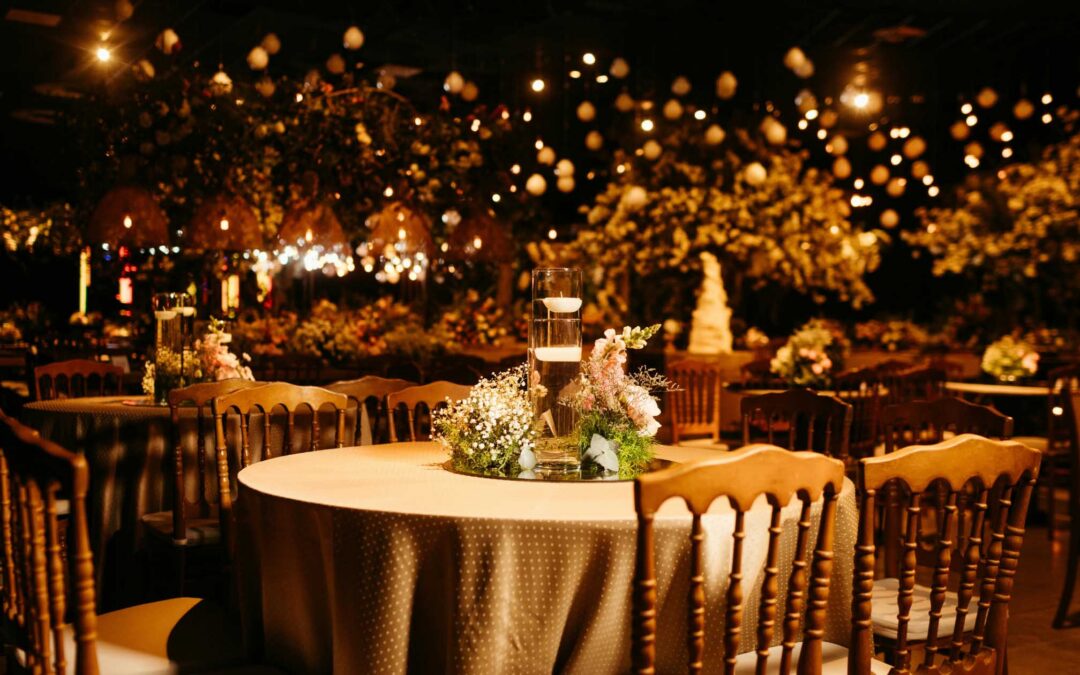
The venue is one of the most important decisions you will make when planning an event. It sets the tone, affects your budget, determines how many guests you can invite, and influences everything from catering to entertainment.
Whether you are planning a corporate event, wedding reception, graduation party, fundraiser, or private celebration, the right venue should be more than visually appealing. It should also support the practical needs of your event and create a comfortable experience for your guests.
Here are several important factors to consider before reserving an event space.
Start With Your Guest Count
Before touring venues, create an estimated guest list. You may not know the final number yet, but a realistic range will help you avoid spaces that are too small or unnecessarily large.
A crowded venue can make guests uncomfortable and create problems with seating, food service, and movement. However, a space that is too large may feel empty and make it harder to create an inviting atmosphere.
Ask each venue about its maximum capacity for the type of setup you need. A seated dinner, cocktail reception, classroom-style meeting, and dance party may each have different capacity limits.
Consider the Type of Event
The best venue for a business conference may not be the best choice for a wedding or family celebration. Think about the activities that will take place during your event.
Will you need:
-
- A stage or presentation area?
- Space for a dance floor?
- Breakout rooms?
- A buffet or catering station?
- An area for entertainment or activities?
- Indoor and outdoor spaces?
- A private room for organizers or vendors?
Make sure the venue can comfortably accommodate the entire event rather than only the guest seating.
Think About Location and Accessibility
Choose a location that is convenient for the majority of your guests whenever possible. Consider driving distance, traffic, nearby accommodations, and whether out-of-town guests will be attending.
The venue should also be accessible to guests with mobility needs. Look for accessible entrances, restrooms, walkways, and seating arrangements.
Clear directions and visible signage can make arrival easier, especially at large properties or venues that host multiple events at once.
Review Parking and Transportation Options
Parking can have a major impact on the guest experience. Ask whether the venue has its own parking lot, shares parking with another business, or requires street parking.
You may also need to consider:
-
- Valet service
- Shuttle transportation
- Rideshare pickup areas
- Bus access
- Loading areas for vendors
- Parking for guests with disabilities
If parking is limited, communicate transportation options to guests before the event.
Ask What Is Included
Venue pricing can be difficult to compare because every location includes different services and equipment.
Some venues provide tables, chairs, linens, lighting, sound equipment, and setup assistance. Others only provide the space, requiring you to rent everything separately.
Before signing a contract, ask for a complete list of what is included and what will cost extra. This will help you understand the venue’s true impact on your overall budget.
Understand the Vendor Policies
Some venues allow you to choose any licensed vendor, while others require you to use an approved catering company, bartender, rental provider, or event coordinator.
Ask about vendor restrictions before making a commitment. You should also find out whether vendors will have access to a kitchen, preparation space, electrical outlets, loading areas, and adequate setup time.
These details can affect both your budget and your ability to create the event you envision.
Plan for the Weather
Outdoor events can be beautiful, but they require a reliable backup plan. Ask what will happen if the weather becomes too hot, cold, windy, or rainy.
A tent may not be enough during severe weather. Ideally, the venue should offer a suitable indoor alternative or allow enough flexibility to adjust the layout.
Even indoor events can be affected by weather, so consider guest arrival, parking conditions, covered entrances, and climate control.
Pay Attention to the Event Timeline
Ask when you and your vendors can access the venue. Some locations allow several hours for setup, while others schedule events closely together and provide limited preparation time.
You should also confirm:
-
- The event start and end times
- Setup and cleanup windows
- Overtime fees
- Music or noise restrictions
- Vendor arrival times
- Decoration removal requirements
A realistic timeline reduces stress and gives your team enough time to prepare the space properly.
Review the Contract Carefully
Before paying a deposit, review all venue policies and charges. The contract should clearly explain the payment schedule, cancellation policy, insurance requirements, damage fees, and what happens if the venue becomes unavailable.
Do not hesitate to ask questions about anything that is unclear. It is easier to resolve concerns before signing than during the final weeks of planning.
Find a Space That Supports Your Vision
The right venue should fit your guest count, budget, activities, and overall vision. It should also make the planning process easier rather than creating additional complications.
Y.E.S. Florida helps clients plan and coordinate corporate events, weddings, receptions, graduations, fundraisers, parties, and community celebrations throughout North Florida. From choosing the right setting to managing the final details, our team is here to help create a memorable and well-organized experience.
Contact Y.E.S. Florida to begin planning your next event.